
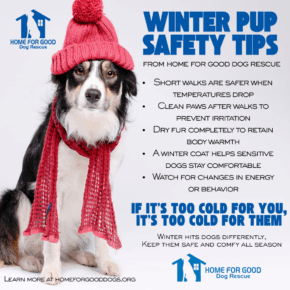
Winter Pup Safety Tips for Cold Weather
Cold temperatures can be challenging for dogs, and knowing how to keep your pup safe during winter makes all the difference. This guide offers clear, practical advice to help you navigate cold-weather risks with confidence while keeping your dog comfortable and protected.
Why Cold Weather Safety Matters for Dogs
Dogs experience cold weather differently than people do. Puppies, senior dogs, small breeds, and short-haired dogs are often more sensitive to temperature changes. Even healthy dogs can be affected by cold-related issues such as dry skin, cracked paws, and discomfort if winter care is overlooked.
Understanding seasonal risks helps you prevent problems before they start.
Monitor Weather Conditions
Cold air, wind, and sudden temperature drops can impact your dog quickly. Pay attention to how your dog reacts during walks or outdoor time. Signs like lifting paws, slowing down, or seeking warmth may indicate they have had enough exposure.
Shorter, more mindful outings are often safer during colder days.
Protect Paws From Winter Irritants
Snow, ice, and de-icing products can be harsh on paw pads. After walks, gently clean and dry your dog’s paws to remove residue that may cause irritation. Using pet-safe paw balms or protective footwear can help prevent cracking and soreness.
Healthy paws support safe movement all winter long.
Keep Dogs Warm and Dry
Cold, damp fur can lower body temperature quickly. Dry your dog thoroughly after being outside, especially around the legs, belly, and paws. Some dogs benefit from a properly fitted winter coat to help retain warmth during chilly outings.
Staying dry is just as important as staying warm.
Support Overall Winter Wellness
Seasonal changes can affect activity levels and skin health. Maintain a consistent routine, monitor energy levels, and watch for signs of discomfort. Small adjustments in care can go a long way in keeping your dog feeling their best during colder months.
If you ever have concerns about your dog’s comfort or health during winter, contact your veterinarian for personalized guidance. For ongoing seasonal advice, bookmark this page and return to our Winter Pup Safety Tips for Cold Weather whenever temperatures drop!


